Islands Business Resilience Fund Evaluation
The Fund
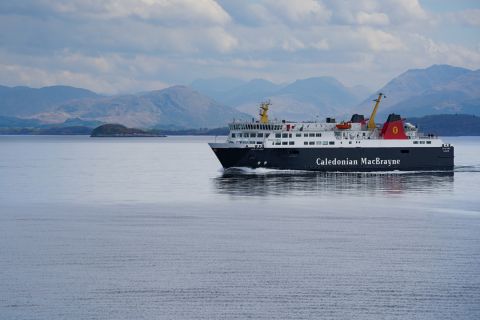
SQW was commissioned by Highlands and Islands Enterprise (HIE) to undertake a process and impact evaluation of the Islands Business Resilience Fund (IBRF). The IBRF was a £4.4m Scottish Government initiative to support the resilience of island businesses affected by ongoing ferry disruption. It was launched in July 2025, and delivered by HIE over a nine month period. The fund provided working capital grants to 444 businesses across 19 islands, primarily in the visitor economy and perishable goods sector.
The evaluation
The evaluation was carried out between March and June 2026 and included a review of programme documentation and monitoring data, 20 stakeholder consultations, a telephone survey of 32 beneficiaries; and an online survey shared with all other beneficiaries (with 87 responses).
Key findings
Overall, the evaluation confirmed a clear and pressing need for public sector intervention. Ferry disruption has had a significant or critical impact on many island businesses, reducing footfall, disrupting supply chains, and increasing costs. However, the fund was widely viewed as a short-term “sticking plaster”, with long-term resilience dependent on resolving ferry reliability issues.
The study found that the design of the IBRF was broadly appropriate given the overall pot of funding available, however there were some concerns about the eligibility criteria being too restrictive (in terms of sector scope, eligible islands, and turnover thresholds). The IBRF was delivered effectively, under tight timescales. HIE’s established grant delivery processes, simple application process, and use of local networks supported rapid uptake and high levels of satisfaction among beneficiaries.
The evaluation found that the fund helped to improve the resilience of island businesses and safeguard operations. In particular, 78% of beneficiary survey respondents reported improved resilience, whilst 62% reported that it had safeguarded jobs and turnover (n=118). Overall, high level impact estimates suggest that the fund has helped to safeguard 666 net jobs and £5.9m in net turnover, and create 17 jobs and an additional £306k turnover. The primary outcome of the fund has been maintaining existing activity rather than generating growth, reflecting the emergency nature of the intervention. Around half of beneficiaries reported that outcomes would not have occurred without support and very few reported deadweight.
Whilst the IBRF delivered important short-term benefits, ferry disruption remains the dominant threat to island business resilience. Sustainable resilience will require: improved ferry reliability; complementary investment in infrastructure and transport; targeted marketing to rebuild visitor demand; and broader action on structural challenges such as housing availability, skills, and business costs.
Further information
The full evaluation report can be found on the HIE website here.
If you would like to find out more about SQW’s study, please contact John Nolan at jnolan@sqw.co.uk.